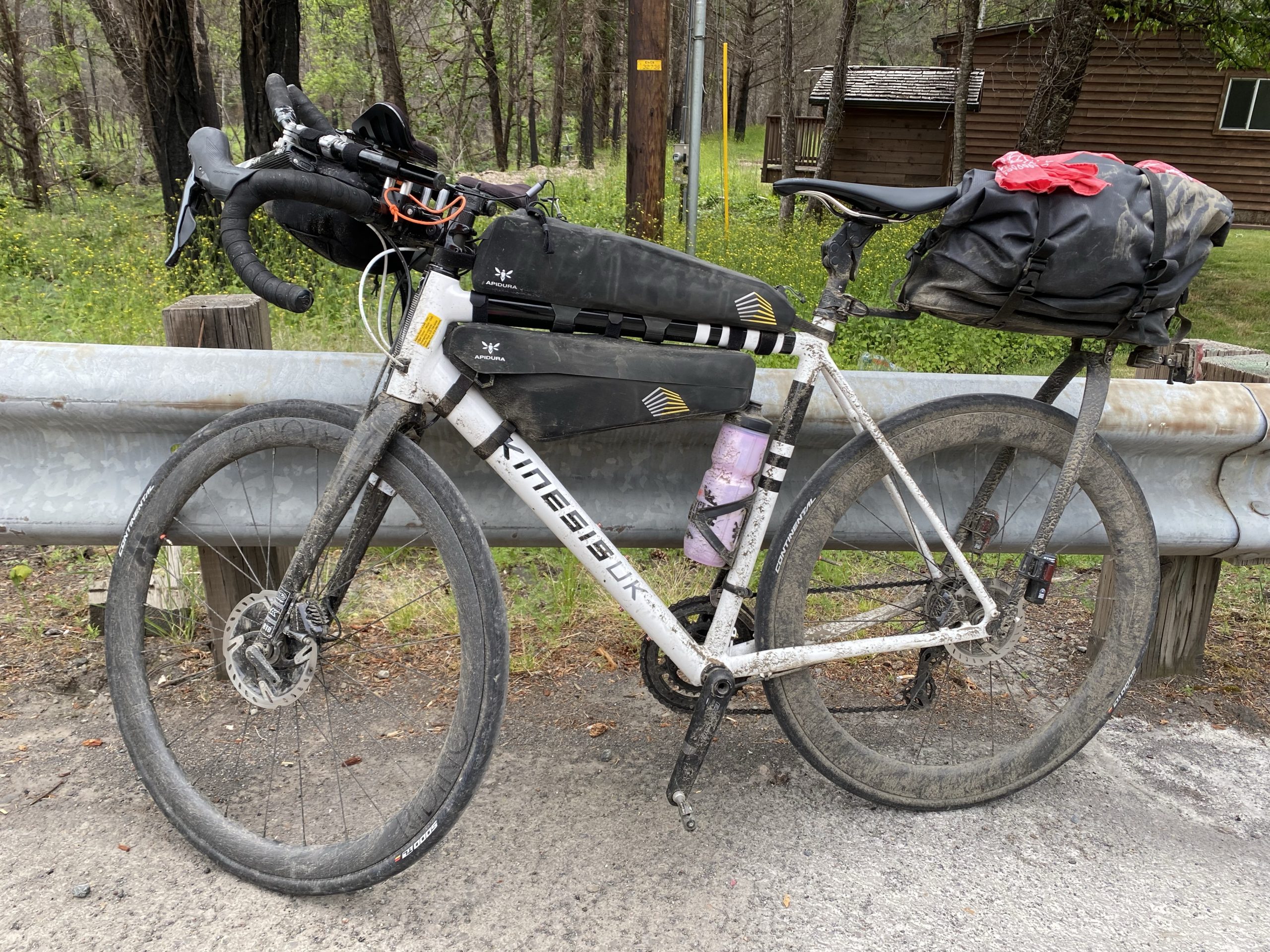
Portugal 2022

Portugal 2022

Gwen and I had been talking about visiting Portugal for some time, and the time finally seemed right, so we booked tickets. We started language lessons in Duolingo, but A. Duolingo only teaches Brazilian Portuguese, and B. we didn’t realize how different the Brazilian dialect is from the European one. We watched some Youtube videos for European Portuguese instruction that were rather rude eye-openers as to how different. Still, the written language isn’t that different—certainly not at the rudimentary level that we’re at—and I do feel that I got some use out of those lessons.

I think that for lots of Americans (certainly lots of people in Texas), there’s a modicum of familiarity with how to sound out Spanish, just from familiarity with place names and Mexican-restaurant menus. In its written form, Portuguese looks a lot like Spanish, but those appearances will deceive you as soon as you speak it. Some things are the same, or near enough. Por favor. Ola. But we were in one neighborhood called Belém—based on a little knowledge of Spanish, you might expect that to be pronounced “bell-EM.” Nope. It sounds exactly like the English word “blame.” In English, we have silent Es at the end of words. In European Portuguese (not Brazilian), it seems any unaccented E is silent. I got self-conscious about using the Brazilian pronunciations that I had been learning. I was told while we were there “it’s OK, everyone will understand it.” The real problem is that I won’t understand the European pronunciations without a lot more practice. Anyhow, enough language talk. On to Portugal.

Monday

Landed in Lisboa and took a cab to Estação Oriente. We probably could have walked there faster when accounting for the line to get into a cab—it was quite close. Or we could have taken the subway. But we were tired and not trusting ourselves to navigate on foot or to figure out how to deal with the metro.

Bought our train tickets to Porto, after a French tourist cut in front of us to complain to the ticket agent that he needed to cash out his ticket. The ticket agent rolled his eyes and patiently shooed him to the side while he took care of us.

We had a bit of a wait for our train, so we wandered around the area near the station, eventually winding up on the waterfront and just sitting. All the sidewalks in Lisbon and Porto are cobbled, so dragging a rolly bag is not super-fun.

The train ride was uneventful. Took another cab (our last of the trip) from the Campanha train station to our Airbnb in the Ribeira area. Ribeira is an old part of town, with very narrow streets and buildings overhanging, which impairs GPS performance. Our driver wound up on the wrong street, and couldn’t quite figure out how to get us to where we belonged, but we managed. The driving was very treacherous—neither Gwen nor I could imagine driving in that part of town at all.

The Airbnb was pretty nice. It was in a very old building that seemingly had been completely gutted and rebuilt—new floors and everything. Our unit had a sleek, small system kitchen and fancy fixtures. The original stone walls were exposed, and the windows set deep into them, showing how thick they are—about 18″.

Once we got settled, it was time to think about dinner. We wound up at a place just down the street, Mariage a Trois. This was not really a place to go for a hot meal—it was mostly wine and charcuterie boards. But the owner was interesting, and had interesting wines to offer for €4-5. It wound up being a good time. I’ll tell you what, when you order an adult beverage in Portugal, you do not get a short pour. On a later occasion, we stopped in a place selling shots of ginjinha (cherry liqueur), and the glass was so full it was only surface tension keeping it all in.

Tuesday, 27 Sep 2022: Porto

This was a huge walking day. Too much walking. (Gwen messed up her IT band for the rest of the trip.) It was good to get the lay of the land.

The old part of Porto is extremely hilly and twisty and turny. Especially down by the riverfront, it feels like you could get lost in an area the size of a large vegetable garden. Some of the streets are probably at a 20% grade, and they’re all cobbled. Many of the smaller ones had access limited by motorized bollards that you need a special pass to retract.

The old part of town inevitably has a layer of grime over everything. If Porto collectively powerwashed itself, it would be breathtaking.

Breakfast: Com Cuore. GF bakery. Not bad for GF.

We had been told by friends that you barely need cash in Portugal—that everything is done on plastic. Yes and no. This place only took cash, and there were quite a few like that in Porto (signs often say “No multibanco” or “No ATM”). We had changed a fair amount of currency before the trip, and it was a good thing. In Lisboa, though, we found a lot of places that could not or would not take €50 notes, and we wound up bringing home more cash than was ideal. Almost every place we went had the same little handheld payment terminals, and for the first time on this trip, I embraced the Apple Pay feature on my watch. Super-fast, super-convenient. The only drawback is that I have two cards registered to Apple Pay that are indistinguishable except for the account numbers, and I have not bothered to memorize which is which. I decided to go with whichever card it was defaulting to and fix it after the fact.

Highlights: Livraria Lello. This place bills itself as “the world’s most beautiful bookstore,” and it’s a credible claim. They charge admission (applied toward book purchases) just to get in, and there’s a line. We were lucky to go on a weekday—the line on Saturday was ludicrous. Buy your tickets online before you get there.

We walked to the printing museum—which was a long hike along the waterfront—only to discover that it was closed indefinitely [sad trombone].

Dinner: Adega Mercearia Bebe Se Mal (“bebe se mal” means “drinking is bad,” but we drank anyhow). This was a traditional Portuguese place, meaning fish and potatoes without fancy preparation. The fish is the real deal. They had a whole section of cod dishes. Gwen had salt-crusted grilled sardines and was quite satisfied with the meal.

  • Distance walked: 11 miles
  • Flights climbed: 76

Wednesday, 28 Sep 2022: Porto

We had breakfast at Floresta Cafe, in the heart of the touristy area. Oh my god, so much food. I had their “Brunch #1” and didn’t eat for the rest of the day. Porto restaurants in general seem to take an idea and run with it beyond all reason—my breakfast was a reasonable approximation of a Full English breakfast, but with a salad added. And yogurt with granola.

Our first stop of the day was Igreja de São Francisco, which Atlas Obscura referred to as a “baroque orgy.” Accurate enough. Your eyes would fall out trying to take in all the detail, most of it covered in gold leaf.

After that, because it was threatening rain, we went next door to the Palácio da Bolsa—the old stock exchange. One could only visit as part of a scheduled tour (it’s still a functioning workplace), but fortunately they had an English-language tour starting a few minutes after we arrived. It was a pretty amazing building and I’m glad we had the excuse to visit—I probably wouldn’t have gone otherwise.

I noticed that Porto has designated mandatory parking spots for rental scooters. I wish that Austin (and every other city) would follow this example. It’s not technologically difficult, and it could be a source of revenue for the city.

The public-transit systems in Porto and Lisboa both are not hard to navigate. You buy a fare card, and can either add a certain monetary value to it or make it a day pass (you can also just put a single ride on it, but that seems inefficient). Once you’ve done that, it’s good for subways, trams, buses, and trains (although a Porto pass will not work in Lisboa or vice-versa). I was a little surprised that, on the Lisboa subway, you need to tap in and tap out. Porto was interesting for being very laissez-faire: on the subway, there are tap-in pillars, but there’s nothing restricting access to the platforms. Perhaps they reason that the barriers cost more money than the additional fare capture would bring in. Although the buses and subways in Porto both have electronic signs showing what stop is next, the trams do not, so you need to watch your progress on your phone or count stops carefully.

Both Google Maps and Apple Maps give public-transit routing for Lisboa, but only Google does for Porto; interestingly, they don’t always agree with each other. For walking directions, I found that I liked Apple Maps better: the map is easier to read on the phone, and seems to show your heading based on the phone’s internal compass, while Google Maps seems to show your heading based on the direction you’ve been walking in, so it can take a few seconds to catch up with changes in direction. On the streets over there, that makes a big difference. Also, if you have an Apple Watch (I do), Apple Maps will tap your wrist to indicate when it’s time to turn left or right, so don’t need to walk with your phone out like a damned tourist. I’m surprised the Google Maps watch app doesn’t do anything like that—it is useless.

One thing neither one did well is guide you on foot to your public-transit stop, or from a stop to your destination. They assume that you’ll know the area well enough, which is not a safe assumption.

  • Distance walked: 8 miles
  • Flights climbed: 35

Thursday, 29 Sep 2002: Porto

Our first stop of the day was in Gaia on the other side of the Douro river, so we crossed over there and found a breakfast place, 7G Roaster. This place incidentally also has short-term rentals for €83/day, which is not bad. The breakfast kept with the “massive overkill” theme of Porto restaurants: I had a bagel with lox, to which they had added a poached egg and a big scoop of guacamole. It wasn’t an authentic bagel—more like a ring-shaped bun. But it was pretty good! Gwen had eggs florentine on a hashbrown patty, again not authentic but tasty.

That first stop was a tour of a small port vintner, Quinta dos Corvus. Small enough that they don’t export. All the port vintners run these tours, and of course, the best part is the tasting room at the end. They served us a white port and a tawny for the price of our ticket, and we bought a glass of vintage ’96. I like port.

We made our way back to the Porto side and visited a couple of graveyards: Lapa cemetery and Cemitério do Prado do Repouso. We didn’t have enough time to really take in the second one (which is huge). We noticed that the cemeteries had signs indicating that there were feral cat colonies living in them, and that the cats had all been fixed and an ear clipped to indicate that.

We had dinner with our ex-Austin friend Echo and her husband João. João took us to Taberna do São Pedro, an old-school fish restaurant in Gaia, and after that we walked along the waterfront for a while. It was great to see Echo again, and to meet João. Initially they tried to take us to a place that Echo just referred to as “the meat place,” but they were booked solid with reservations. Gwen and I made a note of its name and location and resolved to try again—it smelled amazing.

  • Distance walked: 8 miles
  • Flights climbed: 18

Friday, 30 Sep 2022: Matosinhos

For breakfast, we went to Swallow Decadent Brunch. Who could pass up a place with a name like that? Gwen said it was overpriced, but I thought it was a decent value. Good food, and another overkill breakfast. Pancakes, eggs, bacon, potatoes, fruit.

We took a streetcar to the nearby beach town of Matosinhos to spend the day. Walked along the beach for a while. I know that Portugal is supposed to have good surfing, and indeed, we did see some guys taking a surfing lesson there. We stopped in a market and made the rounds, picking up a croissant and a loaf of bread, and a few pieces of fruit. The greengrocer had huge, red persimmons. We bought one and ate it just outside, and then had to go back in to clean ourselves up because it was so messy. But good. After a lot of reading about people with gluten intolerance Gwen decided it was time to experiment and enjoyed her first bit of croissant in 11+ years. Then we walked down the main drag, which felt a bit old and frumpy, before returning to Porto.

For dinner, we had reservations at A Despensa. This was a bit of a splurge, but it was worth it. Excellent food.

It was Friday night, and for the first time we saw that Porto does seem to have some nightlife (not that Gwen and I are party-all-night clubgoers). I also noted with interest that even young women dressed for a night on the town mostly wear very practical shoes—Chuck Taylors seem to be a favorite. I wonder if the rubber compound on the sole grips cobbles especially well. Considering how treacherous the streets are, this is probably just a basic survival adaptation, but practicality doesn’t always get in the way of fashion. I kept half an eye out after this and saw very few women in heels, and not preposterous ones at that.

  • Distance walked: 8.5 miles
  • Flights climbed: 32

Saturday, 1 Oct 2022: Porto

For lunch, we made our way back to the “meat place”, Stramuntana, and discovered that they were fully booked with reservations even just for lunch. But upon learning that we were from the U.S., the maitre-d moved some things around and seated us. The place seems like it’s mostly popular with locals—only one English-speaking waiter—and it’s one of the few places we went that had the kind of service we’d read is typical in Portugal, where they just start bringing food and you send back what you don’t want. The place had a single menu, written on a small chalkboard, that the waiter brought around. We had entrecôte of beef for two, served with soupy rice and homemade potato chips. Appetizers were olives, cheese, bread, a simmered pork dish called rojões that was amazing (we looked up recipes, and we don’t think this was a typical preparation), and some kind of codfish fritter. A memorable meal. We were seated on the balcony and a little tortoiseshell cat came around—the only friendly cat we encountered in Portugal—begging for table scraps. There was also a small animal pen just over the balcony wall with a tiny goat, a muscovy duck, and possibly other livestock.

We also visited the Cemitério de Agramonte. And took in “the world’s most beautiful McDonalds.”

  • Distance walked: 8 miles
  • Flights climbed: 22

Sunday, 2 Oct 2022: Transit

We took the train back from Porto to Lisboa. When we arrived at the train station in Porto, there was a get-together for the local air-cooled VW enthusiasts, and we had a few spare minutes to ogle their cars. Two or three were old enough that they used semaphore turning signals, and they all seemed to be in great shape—not garage queens, but regularly used and carefully maintained.

Our train wound up being delayed en route by a jumper on the line. Our Airbnb host in Lisboa had to hand off the keys in person, and I suspect this threw a wrench in his own plans, but he was nothing but gracious and friendly when we arrived.

The place we were staying was…kind of weird. Very small, very low ceilings, weirdly chopped-up spaces. I halfway suspect that it had been an outdoor area that was recently enclosed. The neighborhood was rough and did not show Lisboa in its best light. A lot of trash. The most direct route to the apartment took us up a staircase, which would obviously be a hard place to collect trash, and indeed, there was a lot of trash on it. Even at designated collection points, there was a lot of trash not getting picked up. Cigarette butts and dogshit everywhere.

But there was also a public square nearby with a few restaurants, and we wound up eating at three of them and enjoying all of them. On this day, we went to a place that seemingly had only outdoor seating called Joana’s. Nothing special.

We went to the neighborhood grocery store and picked up a few things to have in the apartment. Going to grocery stores in foreign countries is always interesting, and this was no exception. It was a small store—maybe 2000 sqft. One of the things we found (and that Gwen bought) was tiny tins of sardine paste.

  • Distance walked: 4 miles
  • Flights climbed: 16

Monday, 3 Oct 2022: Lisboa

We hit the Castelo São Jorge, a massive, ancient complex looking out over the city. In its vicinity, we also stopped in an antique store that had a lot of old Catholic kitsch, but Gwen was especially taken with tiny clay figures that resemble some netsuke I’ve inherited. We made a note of the place’s location.

For dinner, Gwen wanted pizza. She’s been gluten-free for about 11 years, but there’s anecdotal evidence that a lot of Americans with non-celiac gluten sensitivity are not reacting to gluten per se, but to something else, and whatever that something else is, it isn’t present in European wheat. So these people can consume gluten in Europe. With that in mind, Gwen experimented with eating wheat on this trip, and when that worked out ok, she dove in.

Unfortunately, we were thwarted our attempts at finding pizza. One place we tried was no longer a pizzaria. Another was just a take-out place. And so on. Eventually we wound up at a neighborhood place, Maria Food Hub, that was pretty good but nothing special. No pizza.

  • Distance walked: 8.5 miles
  • Flights climbed: 19

Tuesday, 4 Oct 2022: Lisboa

We started with the flea market, which is held Tuesdays and Saturdays. It’s huge. It just…keeps…going. There’s a lot of crap, as one might expect. Probably six vendors all selling the same hippie wear made in Guatemala and India. But there were a few interesting vendors. I got a kick out of one guy selling lobby cards for 70s-era porno films. Gwen found a pair of square hoop earrings, something she’s been seeking for about twenty years in case she loses the pair she’s been wearing…for twenty years.

We went out to LX Factory, a funky commercial development in a disused industrial sector, where we found a record store called Jazz Messengers in what had been a printing press (the press equipment was still present, clearly more expensive to move than it was worth). It happened to be the 40th anniversary of the sale of the first compact disc, so to commemorate, I bought a few.

Our next stop was the National Coach Museum. This is a museum of horse-drawn carriages. Fancy ones used by royalty in particular. I’ve decided these were the original art cars. They were pretty amazing: as nerdy as this sounds, it was a lot to take in.

For a late lunch, we stopped at Time Out Market, a giant food court, where we finally got that pizza, as well as some pastries. For dinner, we went to a place on the neighborhood square, Josephine’s, where I had a ridiculous cheeseburger with a fried egg on it.

  • Distance walked: 8 miles
  • Flights climbed: 34

Wednesday, 5 Oct 2022: Lisboa

We started with the Decorative Arts Museum today. This was another museum you can only see by guided tour, which was a little odd, because it was clearly set up for free-range visitors. When we got there, we were informed that a tour had started six minutes before, but we could join it. But there were no other visitors in the museum at all, so we hadn’t missed anything. We kind of felt hustled through this place—we could have easily spent more time there.

Everyone said we should check out the Santa Justa lift for its incredible neo-Gothic architecture. It was a really gorgeous structure, though the line to go up was ridiculously long. We walked up the hill to the top, great view of the city. Cafe Brasilero was in the neighborhood so we peeked in but didn’t feel like joining the throngs there.

At some point we found ourselves back at that antique place, so we stopped in and Gwen bought those clay figures.

Next, to the Calouste Gulbenkian Museum. This is situated in an extensive park with a meandering path through it—we actually had a hard time finding the entrance because we were approaching from the wrong direction. But there’s so little greenery in the cores of either Porto or Lisboa that without realizing it, I was really missing it, and spending just a little time in that environment recharged my batteries. The way that park is laid out, there are numerous little semi-private diverticulations with benches along the path, so numerous people could have small get-togethers and feel like they’ve got a bit of park to themselves. There are also broad open areas that were getting a lot of use. The whole place seems like an important asset for city-dwellers.

There are two exhibition spaces on the grounds (and it looks like they’re building a third), one for modern art and one for not; we went to see the not modern art. It was an idiosyncratic collection of ancient devotional Christian and Islamic art, Chinese porcelain, Japanese inro, Baroque-era paintings and sculpture, a large decorative-arts section, and a really stunning Lalique exhibition.

Both of these museums started out as a rich guy’s art collection, sort of like the Barnes Collection in Philadelphia.

The train stop for the Gulbenkian was right across from a place Gwen had wanted to try called Rice Me Deli, as well as an El Corte Ingles department store, so we after the Gulbenkian, we stopped for a snack at Rice Me, and then to Corte Ingles to explore a bit. Gwen tried on some shoes, and we went to the basement grocery store which was big and full of stuff. Picked up a few things to bring home.

For dinner, we went to a semi-fancy place on the neighborhood square called Infame. It was really good. We had a duck and rice dish and felt like the Portugese while known for their fish most definitely know how to cook meat!

  • Distance walked: 7.5 miles
  • Flights climbed: 25

Thursday, 6 Oct 2022: Sintra

Sintra is about half an hour outside Lisboa, and has the feeling of a mountain town originally developed as a playground for the rich. That said, it has been inhabited since your ancestors’ knuckles were dragging, and was recognized by Caesar around 49 B.C., so there’s some history there. It’s difficult to visit except as part of an organized tour, so that’s what we did, despite our general suspicion of such things. The town is now very tourism-oriented and very full of tourists, even during the off-season.

The tour we went on took us to two locations: Palácio Nacional de Pena and Quinta da Regaleira. Pena Palace was a retreat for the monarch, and Quinta da Regaleira was built at the beginning of the 20th century by a rich guy. In both cases, the builders didn’t miss any opportunity for ornament. Both places were kind of whimsical and weird, and although we didn’t get a chance to visit any other places in Sintra, from what we saw in passing, there were more examples of the same. I had not been especially interested in going to Sintra beforehand, but was really glad we did.

For our last night in Lisbon, we found a random typical Portuguese place. Gwen had grilled sardines again (these are much bigger than the sardines you’re imagining), I had some kind of pork dish. This was one of the few places we had to interact using only our limited Portuguese.

  • Distance walked: 9 miles
  • Flights climbed: 20

Friday, 7 Oct 2022: Transit

The advice to travellers that we found told us we should get to Lisboa’s airport four hours before our flight, which sounds crazy, but we didn’t want to risk anything, so we did. Once we got there, we found that it was noisy and hectic but pretty efficient, and in fact four hours was way more time than we needed. International travel is all about herding passengers through a series of controls, and those controls are different in different countries. This being our first time departing Portugal, we didn’t really know what to expect. In this case, we went through a ticket check fairly early, and then were perplexed when it wasn’t obvious where we should go next—the next thing in our path was a huge duty-free shop. Eventually we realized we had to run the DFS gauntlet to continue. I’ve never seen retailing quite so aggressive as that.

We made it to passport control, and there were separate lines for passports with embedded RFID chips (basically any new-ish passport), which are much shorter.

Once we located our gate, we worked our way back to a restaurant and had coffee. We found ourselves seated next to a couple of Spanish guys who were totally fucking plowed and having a great time. This was at about 10 AM, mind you. On our way back to the gate, we walked by the airport outlet of O Mundo Fantástico das Conservas Portugesa. This is a chain of tinned-sardine shops that have a carnival theme—you’d expect them to be selling candy based on appearances. They had an instagram-bait throne, so of course I took Gwen’s picture on it.

After we got seated near the gate, they shooed us all out of the gate area, put up a cordon, and had us go through another passport check in order to get back into the gate area. I’m guessing this was a US government requirement.
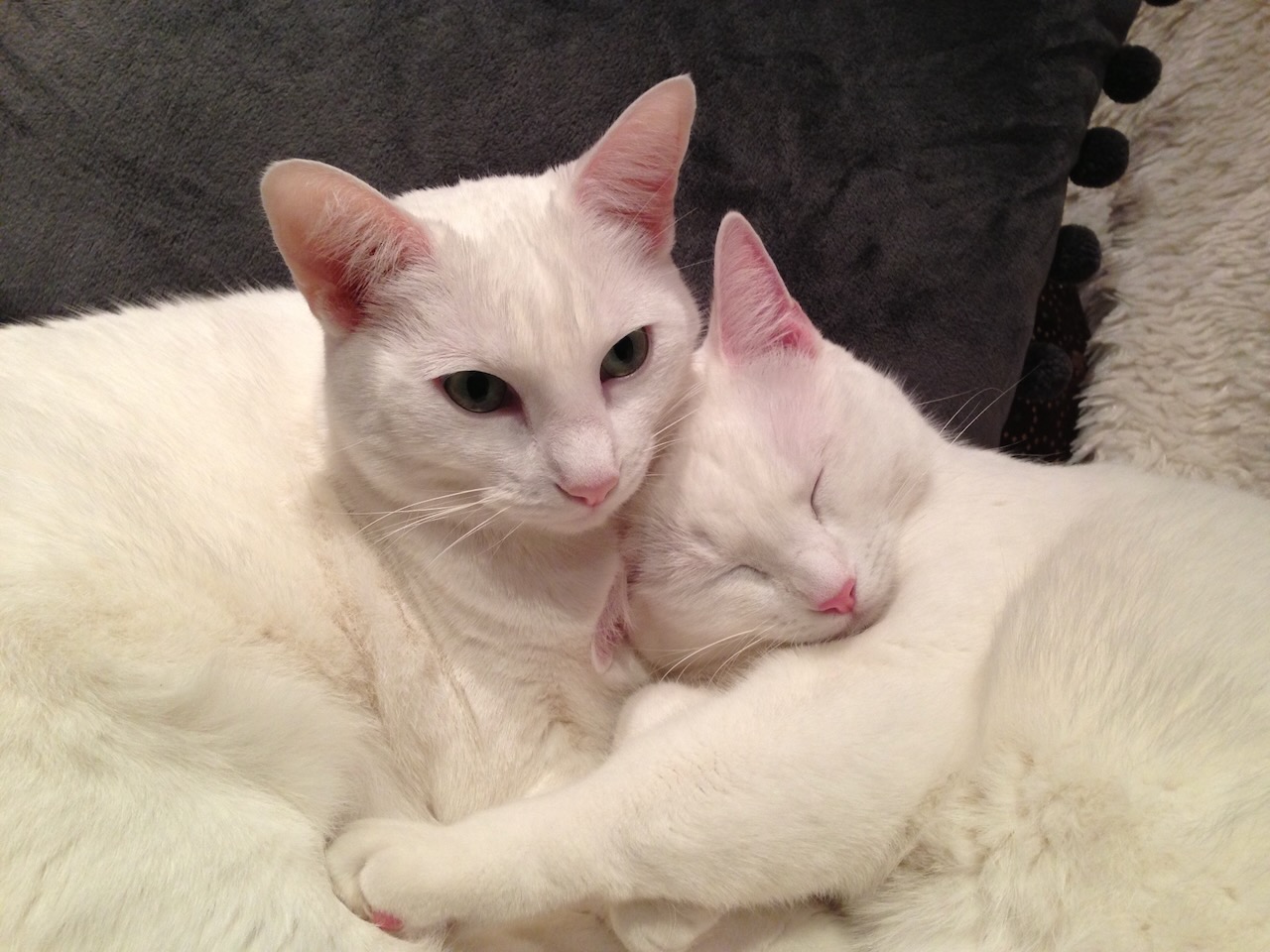
Bubka

Bubka and Masha

Gwen and I adopted Bubka (left) and her sister Masha in November 2008, when they were about three months old. When Gwen and I got together, she had two cats and I had one; by the time we adopted the girls, old age had taken two of our old cats and the surviving cat, Kevin, was lonely.

On our way to the cat-rescue place, Gwen said, “I don’t want to get a kitten.” We wound up with two. They were both so easygoing and affectionate it seems inevitable in hindsight. We named Bubka after the famous Ukrainian pole-vaulter, Sergey Bubka, because she was such an energetic jumper when she was little. She grew out of that eventually and became mostly placid.

Bubka took to Kevin immediately. He was initially stand-offish toward both the new kids, but she wore him down after just a few days, and her companionship made his remaining years much happier.

Because they looked so much alike, it was hard to tell them apart at a glance, and we took to calling both Masha and Bubka “kitten,” especially when they were being naughty. And because they were separated from their mother before they were weaned, they continued to exhibit kittenish behavior all their lives. We never stopped calling either of them “kitten.”

Gwen insists I was Bubka’s favorite person, and she’s probably right. She would jump up on the bed in the morning and swat at my nose or bite my ear to get my attention. Once I was up, she would insist on being carried around for a few minutes. If Gwen and I were watching TV from the couch, she’d often be perched on the back cushion behind my head.

Bubka had been diagnosed with kidney disease years ago, but her condition had been stable up until about March, when she had a health crisis. She spent a few days at the vet and we learned that her kidney function had declined suddenly. We managed her health aggressively with drugs and subcutaneous fluids we administered at home, but we knew her condition was only going to get worse. For a while, it seemed she was getting worse very gradually, but by the time it was ready for us to go to Flipside, we could tell her decline was accelerating. On the Saturday of Flipside, Gwen came home, and the day after, I returned for the day so that we could euthanize her. It was clear the moment I saw her that it was time. She was very weak—she couldn’t walk more than a few steps at once. She had no interest in food. Her meow was all wrong. Her life wasn’t as long as it should have been, but it was the best possible version of her life.

Masha and Bubka were inseparable, cuddling together or tussling in what we called “pillow fights” due to their well-cushioned physiques. I have no idea how Masha will cope with her sister’s absence, but she had been avoiding Bubka as she declined over the past couple of months, perhaps out of some instinct to avoid disease.

Gwen and I are both wrecked. We’ve had a fair amount of practice with this. It never gets easier. I’ve been thinking about grief a lot, and why it is that we feel it so intensely with the death of a pet. I don’t know that I have the answer, but maybe it’s this: we’re responsible for everything in the lives of our pets. We make all the decisions, and want all of those decisions to be in their best interests. In this respect, they’re like children. But unlike children, we generally outlive them, and when the time comes to make the last decision—to euthanize them—there is no option that doesn’t feel like a betrayal. They’re constant presences in our lives for a long time, and love us uncritically, and when the end comes, there’s nothing we can do for them.

Universal follow-up

I recently read The Case for ‘Mark as Unread’ in Messages at Daring Fireball. It seems like a reasonable idea, but doesn’t go far enough.

I have used “mark as unread” in Mail as a signal to come back to a message for further attention, but I prefer not to. I want unread status to indicate that something is, you know, unread. I do use the intensely nerdy Smallcubed Mailsuite, which lets me tag messages for future action, and Mail natively has flags. Either of those seem like a better option than “mark as unread.”

But also, we use a lot of different messaging-type apps in this modern world, and we need a way to remind ourselves to follow up on messages in all of them.

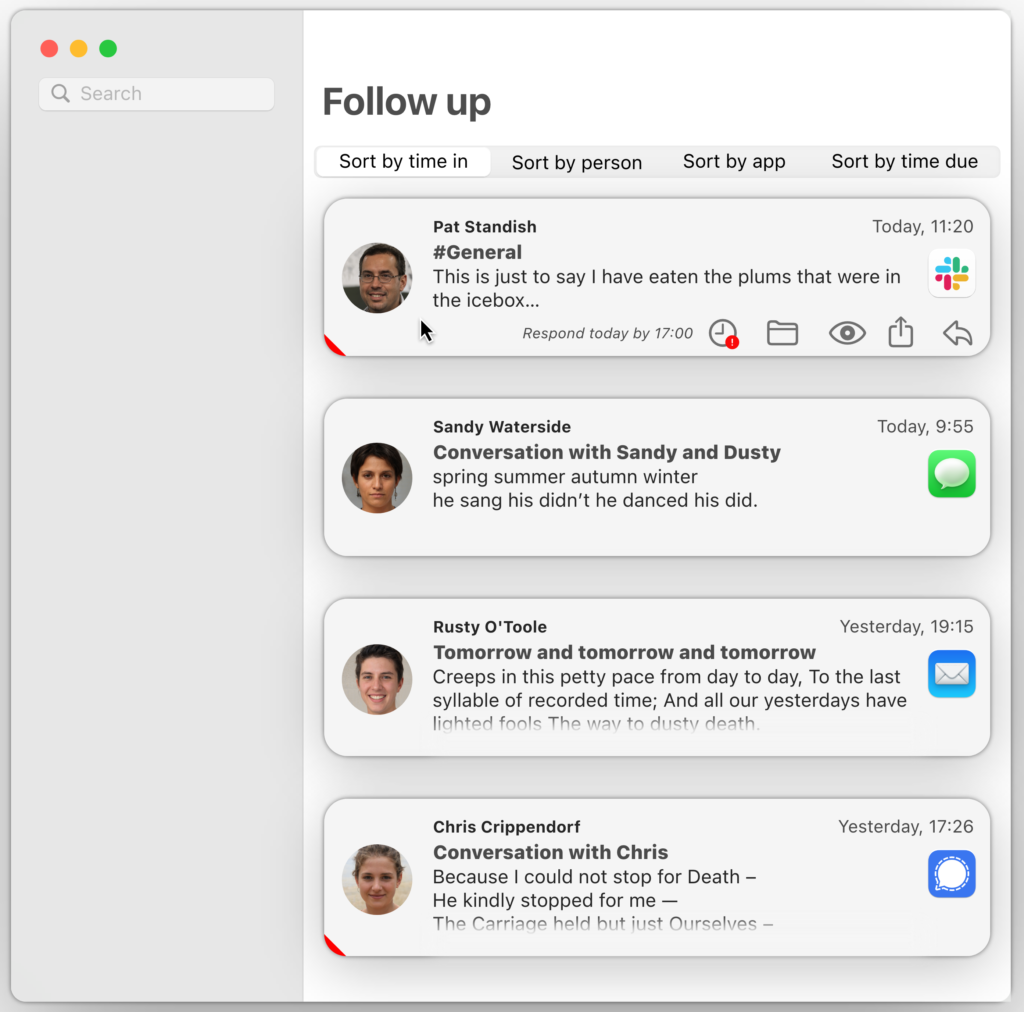
So here’s an idea: a universal follow-up queue. Apps would give you a command for sending a message to your follow-up queue. I imagine this would be implemented as a special view in the Reminders app. Here’s my idea of what it would look like:

Universal follow-up queue screenshot

The list gives a few sorting options seen at the top.

Each card shows the name, avatar, subject line/channel/conversation name (as appropriate), source app, the time added to the queue, and some preview body text. A red dog-ear in the corner indicates that a “time due” has been set.

Hovering over a card shows actions that can be taken. From left to right:

  • Set a time due (shows time due if already set).
  • Send to a different follow-up queue. This may be excessively fussy, but lots of people manage multiple to-do lists.
  • View the original message in the source app.
  • Share the original message.
  • Respond to the original message.

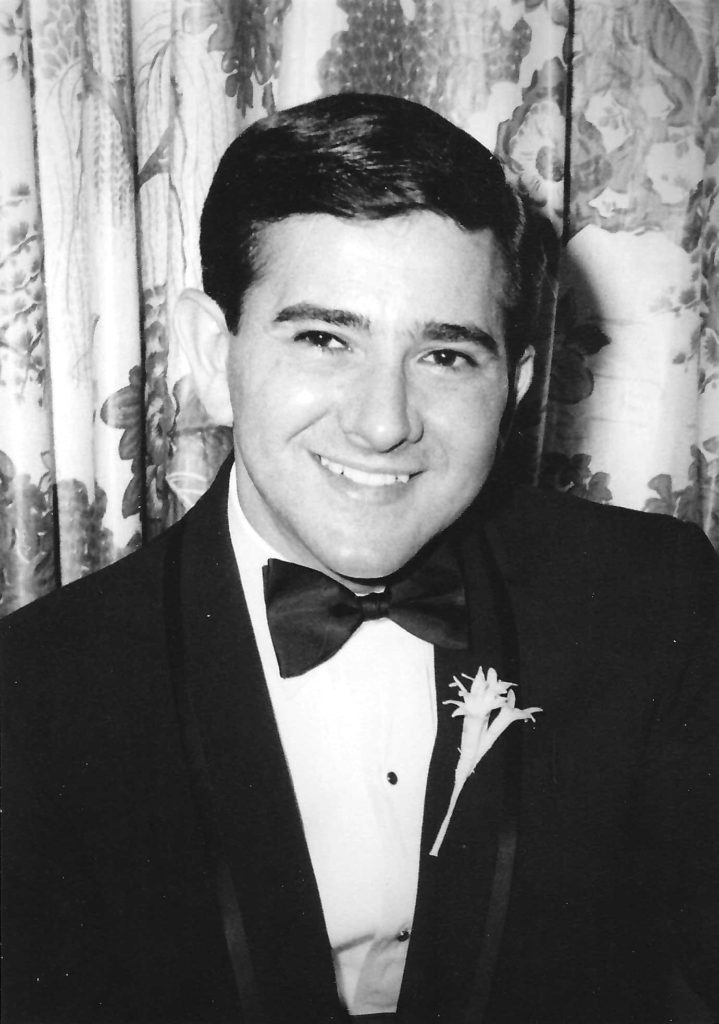
David Rice, 1935–2022

David Rice at wedding

My dad died yesterday. He’d had a number of health problems over the past year or so, and had declined considerably. The last 10 days of his life were spent in hospice, doped up and dreaming restlessly. It is not how he wanted to go, and I’ve been very upset about that. I had time to grieve him while he was still alive, and now his death is more of a relief.

I always had a good relationship with him, but in some ways I feel like I didn’t know him very well. He never spoke about his interior life. He occasionally revealed tidbits about his life as a child and young man, but these paint a very fragmentary picture.

But I do feel like I knew him on an intuitive level—what was important to him, how he’d react to things. And I know that in a thousand ways I’m not even conscious of myself, I am a lot like him. Gwen sometimes stops me when I say something and tells me that what I just said was exactly what he would say, as he would say it.

In the last few days of my dad’s mother’s life, I said something like “she can’t die, she’s a force of nature,” and he agreed. I’m feeling that way again—it’s as if I’ve had a view of a mountain out my window every day of my life, and that mountain has disappeared. It’s disorienting. It affronts my sense of how the world works. I’ll have to get used to it.

I’ll revisit this post and fill it in as ideas come to me.

Pace Bend Ultra 2022

On February 5–6, I competed in the Pace Bend Ultra. There were a number of divisions: 6-hour, 12-hour, 24-hour, solo and teams, men, women, and mixed (for teams). The idea is you ride around a loop as many times as you can until you reach your time limit. I competed in the 24-hour solo division. This was my first attempt at anything like this.

This would have been difficult under ideal conditions, and the conditions were not ideal. The overnight low was forecast to be 25°F; I had the temperature displayed on my bike-computer app, and when it was showing 31°F, I heard that the actual temperature measured on the course was 27°F. That’s really cold. I’ve commuted at roughly that temperature, but my bike commute takes 22 minutes each way. I was very anxious about the cold in the days before the race, and I wasn’t sure if my preparations would be adequate.

The course is a 6.2-mile loop inside Pace Bend Park, about an hour’s drive outside of Austin. Apparently the course used to be notorious for it’s “meteor impact” pavement, but a couple of years ago it was resurfaced, and is currently pretty nice.

The race started at noon on Saturday, with all the 12-hour and 24-hour riders departing together. This being a time trial, drafting is not allowed, but because of the relatively crowded mass start, we had a pass for the first lap.

My first two laps I was running hot—the trick with distance riding is to keep your level of exertion in a limited range—not too high, so you don’t burn all your matches prematurely. I was a little worried about that, but by the third lap, I was able to get it under control. I later heard from another racer who felt the same.

I had looked at the course elevation profile beforehand, and was not too concerned about the hills: 312 feet of climbing per lap, or about 50 feet per mile. No big deal. What I didn’t realize until I was a few laps into it is that while none of the hills are particularly difficult, you’re never not on a hill. You never have a chance to hunker down and motor. I was constantly finding I was in the wrong gear.

My fueling strategy worked pretty well. I spent a fair amount of time researching that, and while I learned a lot, I ultimately went with my gut (sorry). I made up a batch of big oatmeal-raisin cookies, and a bunch of small chicken-salad tacos. Every 2nd and 4th lap, I would eat a cookie, and every 6th lap I would eat a taco. I would need to pull into my pit station to eat the taco, which was fine—on the advice of a more experienced ultra rider, I planned on taking a pit stop every six laps anyhow; I’d refill the cookies I was carrying when I did that. Eating the cookies while riding was a little more difficult to manage than I anticipated, but I’m sure I could solve that problem. My hunger went up and down—there were points when I was really hungry, and then later, not too hungry. I was able to stick to this eating schedule pretty closely for all my time on the bike, but once it got dark, I decided it would be better to stop to eat my cookies than to eat them on the fly. I thought about using liquid fuel, and ultimately decided against. During training, I experimented with some liquid options, and they didn’t sit well in my stomach. I also tend to under-hydrate, so even on a hot ride, I wouldn’t get a lot of calories that way. According to the Training Peaks estimate (I don’t have a power meter on my bike), I burned 10,500 calories, which sounds about right. About half of that probably came from stored fat (which would be less than 2 lb).

At 6 hours, I felt like there was a turning point in the event. It was getting dark and cold, everyone had burned off the last shred of nervous energy, and we were all settling into the pace that we’d maintain for the rest of the race. It was at about this point that I started adding layers for warmth. I started out wearing a high-tech base layer, a jacket, cold-weather shorts, leg warmers, cool-weather gloves, insulating wool socks, and lightweight booties. At around this point, I added a beanie under my helmet and a wool base layer. Later I would add a fleece neck buff, my rain jacket, and a pair of running tights; I also swapped my gloves for warmer ones.

At 11 hours, I discovered the warming tent. It was not especially warm—I could see my breath in there—but it was warmer. It wasn’t provided by the event organizers, but by a team: there were some people helping their teammates providing de-facto neutral support, and they gave me soup and hot chocolate in addition to a warm place to sit and socialize with other racers taking breaks.

At 12 hours, I had all my extra layers on and still couldn’t get warm—I was shivering uncontrollably in my core. One of the guys in the warming tent who was there in a support capacity lent me his jacket (which was big enough to fit over the 4 layers I was already wearing) and it made a huge difference.

At 13 hours, I was riding a little erratically on the road, and I was really worried about my ability to ride through the coldest part of the night. When I stopped in the warming tent, I realized I could take a nap and just sleep through that part, and I gave myself permission to do that. My attitude and riding improved immediately.

At 15 hours, I decided to take that nap in the warming tent, where there was a cot. I had a sleeping bag with me, but I never really got comfortable enough to sleep. It was miserable. At some point I moved from the cot to a reclining folding chair, and while I didn’t sleep there either, I found it more restful.

At 20 hours, just before 8 AM, I ended my pretend-nap, at which point the sun was out and the temperature had risen to the freezing point. I was not very refreshed, but I was riding a lot better than when I had stopped for my so-called nap.

At 21 hours, the 6-hour division started. While there were obviously some hardcore time-trialists in the 12- and 24-hour divisions, the 6-hour division had a higher percentage—I think that was the only division where people were using disk wheels. They would rocket past me on their TT bikes like I was standing still. There was also one hapless guy in the 6-hour division who must have seen an ad for the event and thought “that sounds like fun.” He was riding a hybrid, wearing basketball shorts and knee socks. It was clear he was not an experienced rider. I think he rode two or three laps and packed it in. I can only imagine how he felt lining up at the start with guys who looked like they were riding spaceships.

Gwen also showed up around this time with food. She crammed a homemade biscuit with gravy in my mouth. I was glad to see her.

At 23 hours and 15 minutes, I packed it in. At that point, my lap time was about 30 minutes (partial laps are not counted), so I could have squeezed in one more lap, but I was starting to ride erratically, and decided it wasn’t worth it.

At the end of the race, I learned that I was one of only two competitors who didn’t have a car to warm up in. I think that made a difference. There’s no telling how I would have fared if I had been able to warm up every few laps, or if I had been better insulated, but if I had ridden through that five-hour pretend nap at my last-lap pace, my distance would have been right around 300 miles, which I had predicted to be my “realistic-optimistic” distance.

I knew, but kind of forgot, that my body cannot regulate its temperature when I’m exhausted: if it’s the slightest bit cold, it’s hard for me to warm up. I definitely experienced that in the race. Part of the problem is that as I get worn out, I can’t push myself as hard and can’t raise my heart rate, so I’m generating less heat, but there’s something else at work too. I’ll need to be careful to be better insulated if I do anything like this again.

Final results: 241.8 miles, 39 laps. 2nd place in the men’s solo 24-hour upright-bike division (out of five), first in my age group. My actual time in motion was 15:34.

Get Out

A couple of days ago, Democrats attempted to pass voting-rights legislation. They failed. They failed because Joe Manchin and Kirsten Sinema hate freedom, and because the GOP has become an openly anti-democratic party. During GWB’s administration, the party openly defied their own president and doubled down on racism as a party position. It’s only gotten worse since then. They know that demography makes it impossible for them to win in democratic elections, so democracy must go. And with trump, the party has gone from merely evil to evil and crazy.

Thanks to widespread efforts in state legislatures, we can expect that future elections will not represent the will of the people in those states. The 2022 midterm elections will be a trial run to see how far these new election-subversion laws can go, and depending on the outcome, more states may pursue these measures, and existing measures may be pushed further. The current Supreme Court has shown it is not overly concerned with defending voting rights. The 2024 election will be the big show. What happens then?

Timothy Snyder, a scholar who studies tyranny, writes that the USA will collapse into civil war. Another scholar, writing for Canada’s Globe and Mail, warns Canada to be ready for its southern neighbor to slide into full-blown fascism. This, to my mind, seems like a more likely scenario.

In either case, I won’t stick around to see it happen. I’ve obtained Irish citizenship, thanks to a grandparent having been born there. I’ve started researching the practical details of moving there (or somewhere else in the EU), with an eye toward being ready to leave by 20 Jan 2024.

I was raised with the Holocaust looming like a distant mountain visible in the rearview mirror. I imagine this is true for most Jewish people my age.

The car is turning around now.

I know I am lucky to have the escape option that I do and the means to make use of it. Not all of my friends do. But I urge all my friends to think about whatever escape plans might work for them.

I have been thinking about this for a while and have been putting off setting these words down because that makes it more real, and that has upset me too much. But it is time.

Experiments mounting a phone to clip-on bars

I’ve been playing around with the best way to mount my phone and headlight on the aerobars of my distance bike. This is a weird setup: most cyclists use bike computers that are considerably smaller than my iPhone 11, most don’t also have a bike light hanging from the same mount, and most definitely don’t have both of those mounted to clip-on bars instead of their regular handlebars.

I started with this bridge-style mount I found on AliExpress. It’s a mixed bag. The aluminum parts—the bridge, the computer-mount base, and the GoPro mount—are well made. The plastic parts—the bar clamps and Garmin mounting “biscuit”—are worthless: both the Garmin base and clamps quickly cracked. I like the bridge design, and thought it might give me more flexibility to mount other stuff, but in reality, it gets pretty crowded on the bars, and having two clamping points just makes it harder to adjust the clip-on bars.

I wound up getting Kevin Brown to machine a couple of very skookum aluminum clamps to replace the original plastic clamps, and I used the business end of a QuadLock intended for a motorcycle to replace the original mounting base; this is reinforced with some Sugru to stabilize it on the bridge.

This works. This is the setup I used in my abbreviated attempt at TABR 2021, and it didn’t give me any trouble. It is absolutely stable, but it is kind of heavy for what it is: 124 g.

The QuadLock mounting mechanism is excellent. I tried using the QuadLock mount by itself, but couldn’t quite get the phone positioned right, and in any case that didn’t give me a way to mount my headlight. There’s an articulated arm between the Quadlock mechanism and the bar clamp with toothed interfaces at each end, so that the angles between parts are stepped; the arm also has a little rise to it. The mount is all injection-molded plastic, and is probably adequate but nothing special. In hindsight, it looks like using a QuadLock out front mount pro sideways on a clip-on bar might work.

I then tried out this mount from 76 Projects. This is all 3D-printed and shot-peened plastic (a manufacturing method I’ve never heard of before), except for the screws that hold it together. It clocks in at 47 g. It uses velcro straps to mount to the bars, and comes with a set of spacer tubes to make up the space between the central mount and the strap blocks. Getting the spacers exactly right is fiddly, but you only need to do it once. The spacers and central mount fit together with toothed interfaces, and this is the only clip-on bar setup I’ve seen that lets you adjust the angle at which the phone faces you.

The 76 Projects mount is made of a much higher grade of plastic than came with my AliExpress mount (I also ordered a Garmin stick-on adapter for my phone from 76 Projects, which is similar): despite also using a Garmin mount, I haven’t had any problems with that. The problem I do have with this mount is that it it’s not rigid: either the velcro straps have a little play, or the stacks of spacers do, so the whole assembly wobbles a bit, probably exacerbated by the weight I’ve got on it. This is more of an issue for me because I have a headlight hanging from the GoPro mount on the bottom, cantilevered on a short extension, and it’s distracting to have the beam wobble up and down.

I backed a Kickstarter project from Peak Design and wound up with their out front mount. This clocks in at 101 g with the GoPro attachment. Normally I wouldn’t use an out front mount with clip-on bars: it would need to be located between a clip-on bar and the stem; this would force the bars to be moved outboard, which I don’t want to do. This one, however, comes with 7/8″ shims (which fit clip-on bars); the mounting surface works when rotated 90°; and by a stroke of luck, when mounted to my clip-on bars, this almost perfectly centers the mount: my clip-on bars are spaced 124 mm OC, and the Peak Design’s mounting surface winds up being 65 mm inboard. That 3-mm deviation from center doesn’t trigger OCD for me; for anyone who wanted to use this system on bars spaced much differently, their motorcycle bar mount puts the mounting surface on an articulated arm (somewhat like the QuadLock one), so it should be possible to center. The out front mount is pretty beefy, and the motorcycle mount is heavier still.

This mount is nicely made and well thought out, with all the major parts being aluminum. Everything feels very precise and substantial; the GoPro mount fits in place of a little conical washer and snugs up just so. The attachment mechanism is clever: magnets snap the phone to the mounting surface in exactly the right position, and two spring-loaded claws click into recesses in the phone case/adapter. It’s very satisfying and easy to clip the phone on. Two buttons on the underside of the mount retract the claws for removing the phone (only one claw really needs to be retracted). I found that the release buttons were easy to operate with thin gloves on, but might be a problem with more heavily insulated gloves.

I did find that without having the clamp really tight, the mount did rotate slightly after riding on rough roads. It would probably be a good idea to put a strip of helicopter tape on the bar to provide a little traction, especially if you’re using carbon bars that shouldn’t have too much clamping force applied.

This is the first one-sided mount I’ve really used on this bike, and once I got it set up, I realized that my clip-on bars are splayed out slightly, so in addition to being slightly off-center, my phone winds up being angled parallel to one bar. This will be easy to fix, but using a bridge design sidesteps the problem. I really like this attachment mechanism and will probably wind up tinkering to see if I can improve the connection to the bars.


None of these weights include the cases/adapters that goes on the phone, but those weights are minimal.

For a while, I have been noodling over the idea of an accessory mounting plate that would secure to the clip-on bars at four corners. All of the loads could be attached inboard of the corners rather than cantilevered, so each attachment point could be lighter—perhaps just a velcro strap and rubber bumper. Bikepacking racers frequently have a bunch of stuff on their bars—some combination of two headlights, two bike computers, a water bottle, a Spot tracker, a GoPro camera. If you could get even half of that stuff on a single plate, you’d be ahead of the game.

New Mac adventures

I recently bought one of the new Macbook Pros. This is the first time I’ve bought a new computer that I knew was way more computer than I needed. But I tend to hang onto computers for a while, and by the time I replace this, it will probably be showing its age. I realized when I bought this that Apple has now been through 4 processor families (Motorola 68K, PowerPC, Intel, and now Apple Silicon), and I’ve had two daily-driver computers in each of the previous families (plus a couple of laptops that were secondary computers), starting with the original 128 KB Mac.

I had been waiting on the announcement of the new series of Macbook Pros, and ordered one as soon as it was announced. There was a considerable delivery delay (it travelled from Shanghai to another city in China, waited there for about a week, then in rapid succession to Incheon, Anchorage, Louisville, Austin, San Antonio, and Austin again), so I had plenty of time to prepare for the transition, and had a document where I gathered notes.

Setup

I made the decision not to use Apple’s Migration Assistant. It’s excellent, but I had years of cruft on my old drive and wanted to be more deliberate about what ended up on my new drive. In the end, this worked pretty well, but did take some work.

This post on using a shell script with Homebrew was very useful and saved me a bunch of time with setup. I’d already been using Homebrew, mostly for command-line programs, but I am happy to use Homebrew to manage desktop apps too. I did need to go through the list of desktop apps that can be installed with Homebrew, and make my own list of apps that I wanted to install.

One thing that didn’t work for me is inheriting my old Time Machine backup. I followed these instructions, but the process failed. I’ve still got the old Time Machine database and can navigate it in the Finder, and I have a lot of room on that drive, so I’m using it for the new Time Machine database. This is less than ideal, but I’ve nuked old Time Machine backups before without losing sleep.

One thing I overlooked in the migration process was some of the fonts. I have most of my (non-system) fonts managed by Rightfont, but there were a few third-party fonts that were installed with my system fonts, and I still need to recover those.

Other than that, I manually copied over everything in my home folder, except that I intentionally did not copy of the Library folder. I did copy a few specific items inside it.

Problems

One weird problem I had was with my trackpad. I have been using one of Apple’s older freestanding trackpads for a long time, and I think there was an incompatibility between the old trackpad and the new trackpad software (which enables “force clicks”), possibly exacerbated by the excellent BetterTouchTool: I was seeing a lot of “ghost clicks,” which was not something I could live with. I replaced my old trackpad with a new one and the problem disappeared.

As a test, I tried plugging in the Mac to a third-party USB-C charger with a third-party cable while it was running. This charger nominally supplies slightly less wattage than the factory original (60 W vs 67 W), but the laptop seemed to be staying at 100% charge. I need to do more testing, but this seemed to trigger a weird and seemingly unrelated problem: files I downloaded after plugging into that charger could not be opened or deleted. Plugging in the stock charger and rebooting solved the problem.

The new Macbook Pro has a fingerprint sensor. In theory, this is great, but in practice, sometimes it doesn’t want to read. I haven’t figured out what causes this.

Notifications stopped unexpectedly. Apparently this is a fairly common problem. Killing the NotificationCenter process via Activity Monitor seems to fix it.

Update

Two days ago, the new machine had a major freakout, showing the same symptoms described in this article: the screen would flash pink, then it would reboot; it continued rebooting at roughly 1-minute intervals. I managed to boot it into the recovery partition and ran Disk First Aid. No problem there. Tried doing all the finger-gymnastics to zap PRAM and reset the SMC. Initially this didn’t seem to help, but after a few more reboots, it seemed normal. This happened around noon. The problem flared up again around 7 PM. I couldn’t fix it, called Apple support, and the tech on the line couldn’t either. One of the problems with the Mac in this state was that it couldn’t see any networks or Bluetooth, so Internet Recovery was not possible.

Went to the Apple store the next day; of course it booted up fine, but we did a nuke-and-pave on the spot (which took longer than expected). If this doesn’t fix it, it’s probably a hardware fault.

Other observations

This thing feels like a tank, at least as Apple products go. It weighs half a pound more than the “Touch Bar” Macbook Pros (3.5 lb vs 3 lb, which feels like a bigger difference than it sounds like), and is very slightly heavier than the 2013-vintage machine it is replacing.

I haven’t gotten used to the Globe key–which also acts as the Function key. An unexpected consequence of it is that the Function key on my external keyboard also acts as the Globe key. I do need to toggle between Japanese and English inputs sometimes, so I can see the benefit of it, but command-space is hardwired into my fingers, so I don’t imagine using it. In playing around, I discovered that I can make a quick tap on the Caps Lock key toggle keyboards–again, I probably wouldn’t prefer that, but it might be a handy option for some.

Epoch-Caldwell 300K

After scratching in TABR 2021, I decided I needed more experience with distance riding before I attempted it again, so I joined the local randonneuring group. Randonneuring has two kinds of ride—brevets, which are organized date-and-day events, and permanentes (or perms), which you can ride whenever you want. There are certain standardized distances in either case, and yesterday I rode a 300-km perm. I covered about the same distance on Day 1 of TABR 2021, although that was cold, rainy, and windy; yesterday started out cool and warmed up to be pretty hot, with a slight tailwind on the outbound leg and a stronger headwind (it certainly felt stronger) on the return. In any case, this was only the second time I’ve ridden this distance.

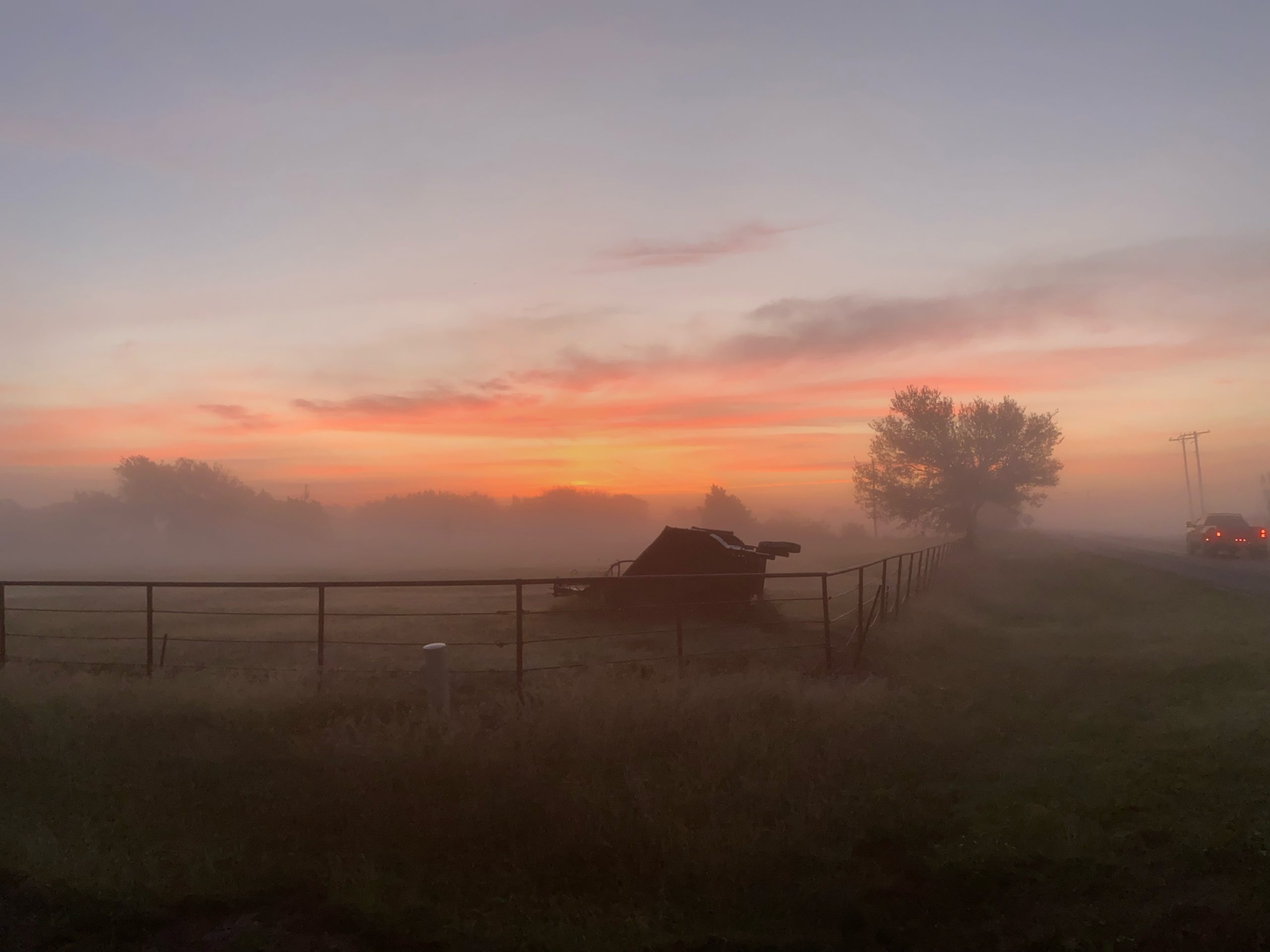
I started out at 6:00 AM in darkness and rode for about an hour before there was any sunlight. After that, the morning was very misty, and whenever I would ride through a low-lying spot, visibility was probably only 50′. The mist burned off by 8:30 or so. Riding through that was surreal. I was mostly on roads I know well up to that point, but not being able to see around me made them unfamiliar territory.

I pushed on past the first control in Taylor, about 40 miles in, without stopping. After that point, the route took me on unfamiliar roads to get to a familiar place—Apache Pass—and then to Rockdale, where I did stop for a snack at the second control. Pushed on from there through the community of Black Jack, which I had never heard of, to Caldwell, where I discovered I had crossed from the burnt orange zone of football allegiance to the maroon one. Stopped at a Subway for solid food, topped off my hydration pack, had a Snickers bar for good measure, and headed back.

I had been making pretty good time to this point for relatively little effort, but knew I’d be facing a headwind on the way back. I can see now that my average heart rate for the first half was 120 bpm, 125 bpm for the second half. In hindsight, I think I could have pushed the pace on the outbound leg a little more, but I was mostly concerned about having enough in the tank to make it home.

When I made it back to Apache Pass, at mile 132, I was dealing with hotfoot and stopped to give my feet a break. That helped a bit, but not enough, and not for long enough. I stopped again in Taylor to fill up on water, even though I probably had enough to make it the rest of the way back. I wanted to give my feet another break, and I wasn’t sure how long the next 40 miles would take, since my speed was dropping steadily.

Sometimes I can ride through hotfoot and get comfortable again. That didn’t happen. I just toughed it out. Apart from that, and being generally sore and tired in all the ways you’d expect, I felt pretty good when I finished. My left knee felt a little tweaked over the last 30 miles or so, but was not concerning. I didn’t feel any of the Achilles’ tendon trouble that I did in the TABR. I ate half a family-sized King Ranch Casserole from Central Market for dinner, and went to Bobo’s for a beer.

This morning when I woke up, I did not feel pretty good. I had a headache and nausea, in addition to fatigue. I can get by for a long time on a deficit of water, electrolytes, and calories—I rode the recent 200K brevet on four Clif bars, one Snickers bar, a bottle of Gatorade, and the water and electrolytes I was carrying from the start—and I think I set a personal best for 200K. But clearly my limit for riding on deficits is somewhere short of the 300K mark, and I’m pretty sure it was the insufficient water and electrolytes that did it. I took in a couple glasses of electrolytes (I use Vitalyte, fwiw) and felt a lot better.

This was a lucky shot. The light was changing very quickly, and as soon as I stopped moving, my glasses fogged over.
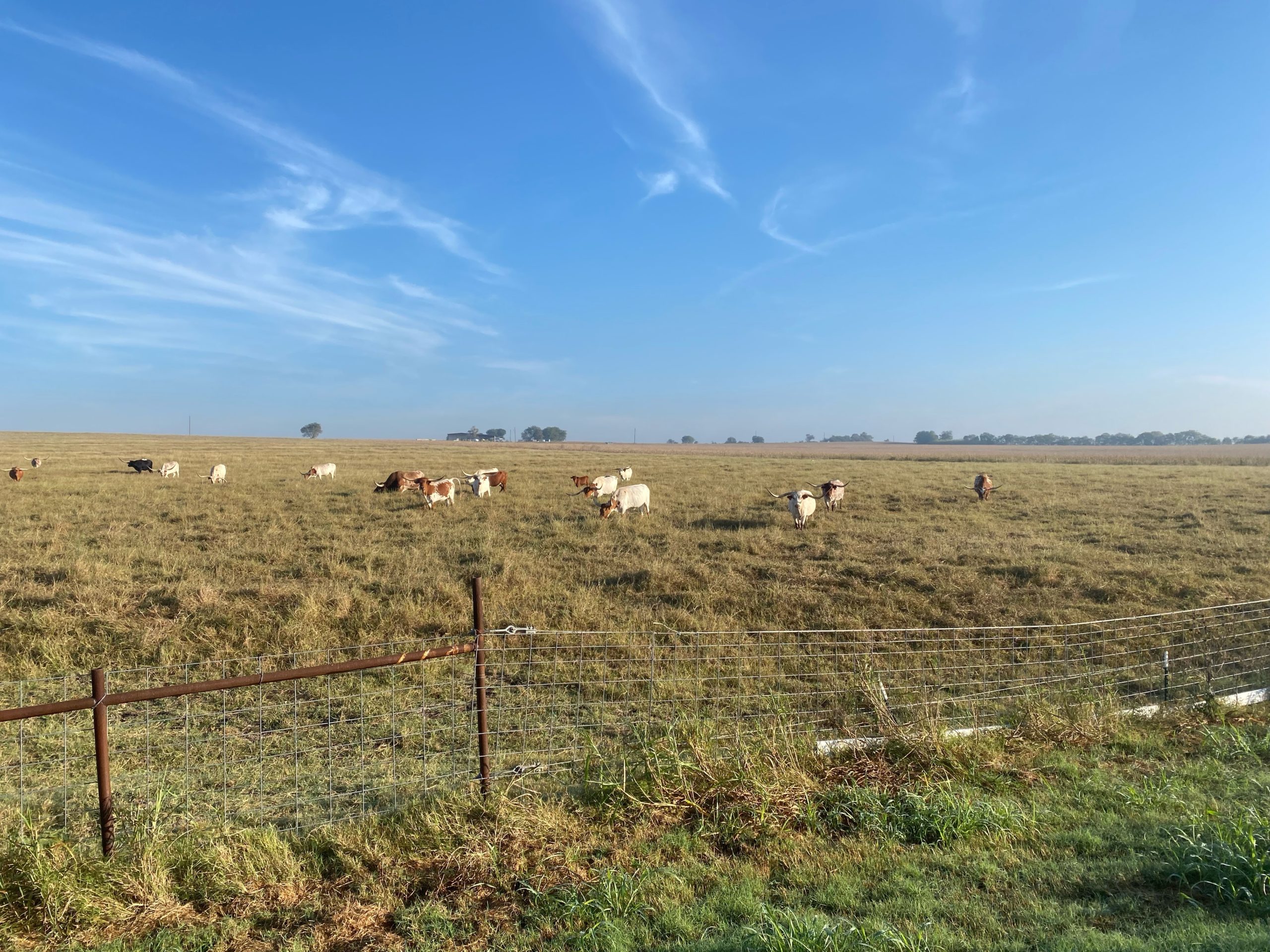
You don’t usually see a lot of longhorns. Unlike most cattle, these guys were curious about me and were approaching as I shot this.

Scroll to Top